
Have you ever wondered: what if someone falls off an oil rig?
Oil rigs are among the most dangerous workplaces in the world. With 92 fatalities reported in the mining, quarrying, and oil and gas extraction sector in 2024, according to the Bureau of Labor Statistics.
Workers aboard these offshore platforms are exposed to harsh conditions, including unpredictable weather, heavy machinery, and the risk of falls.
A fall from an oil rig can result in severe injuries or even death. But what happens if someone falls off an oil rig? The steps taken immediately after a fall can make a huge difference down the line when it comes to potential legal actions and the person’s long-term recovery.
If you or a loved one works in the oil industry and is frequently on a rig, you may worry about safety.
At Fielding Law, we understand the complexities of the oil industry and the unique challenges of working on rigs.
Contact us today to schedule a free consultation about your oil rig fall case.
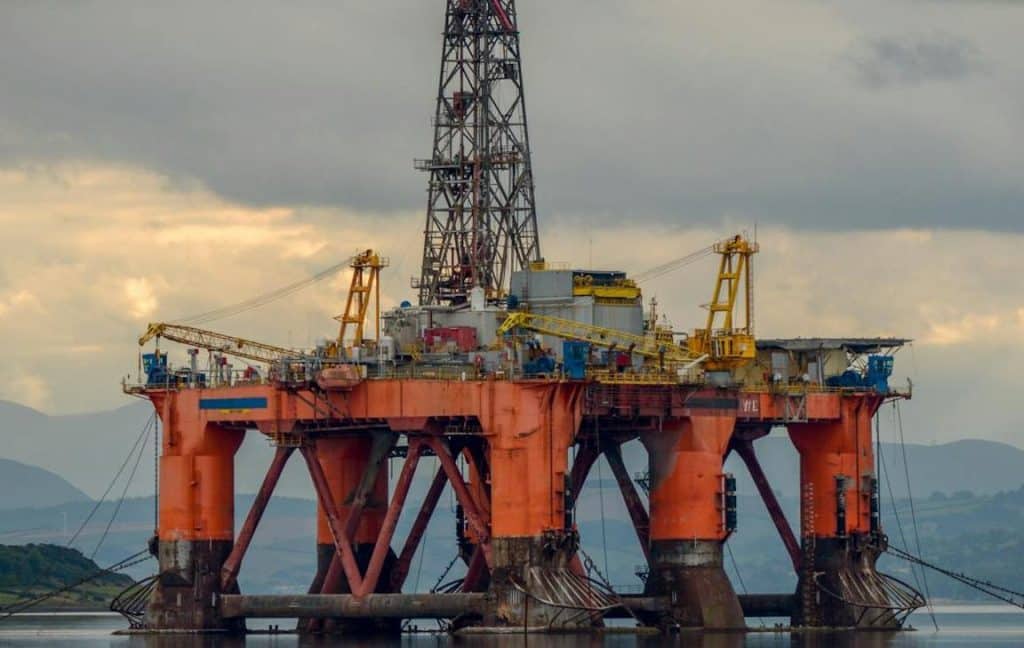
The Immediate Response: What Happens After a Fall?
When a worker falls from an oil rig, the immediate response is critical for survival and minimizing injury. Rigs are typically equipped with safety measures designed for quick response to accidents.
However, the remoteness of oil rigs, combined with the often harsh environmental conditions, makes the situation more challenging.
In the event of a fall, oil rigs are required to have specific emergency response protocols in place.
These protocols are typically designed to provide immediate first aid, stabilize the injured person, and transport him or her to safety as quickly as possible.
📋 Onboard Medical Response
- ✓Once the individual is brought back to the platform, the medical team assesses his or her injuries.
- ✓ Most oil rigs have trained medical personnel on board.
- ✓ Some rigs even have small medical clinics or telemedicine capabilities for more specialized care.
- ✓ In the case of severe injuries, the injured worker may be evacuated to a hospital for further treatment.
Common Injuries From Oil Rig Falls
Falls from oil rigs can lead to a wide range of serious injuries, depending on the height of the fall and the conditions at the time.
Common injuries include:
- Fractures: broken legs, arms, or ribs, often from landing on a hard surface or machinery
- Head injuries: concussions and traumatic brain injuries (TBI), especially when the worker isn’t wearing appropriate head protection
- Spinal cord injuries: may cause partial or complete paralysis
- Internal injuries: damage to vital organs
- Soft tissue injuries: sprains, strains, and ligament tears from twisting or contorting the body during the fall
The severity of these injuries often leads to long recovery times, with some workers never fully returning to their previous physical abilities, making it crucial to seek appropriate medical attention and legal advice following an accident.
🔍 Why This Matters
In extreme cases where the fall results in severe trauma or death, an investigation will be launched to determine the cause of the accident. This is critical not only for addressing any legal claims but also for identifying potential hazards that may need to be addressed to prevent similar incidents in the future.
Legal Implications: Who Is Responsible?
When an accident occurs on an oil rig, the question of liability is a central concern. A fall from a rig can lead to both workers’ compensation claims and personal injury lawsuits, depending on the circumstances surrounding the incident.
| Legal Option | When It Applies | Potential Recovery |
|---|---|---|
| Workers’ Compensation | Most on-the-job oil rig injuries, regardless of fault. | Medical expenses, lost wages, and rehabilitation benefits. |
| Third-Party Personal Injury Claim | A contractor, equipment manufacturer, or another third party caused or contributed to the accident. | Additional compensation for negligence, including pain and suffering and other damages. |
| Jones Act Claim | Maritime workers who can prove employer negligence contributed to the fall. | Compensation beyond workers’ compensation, including full negligence damages. |
| LHWCA Benefits | Certain offshore and maritime workers covered by the Longshore and Harbor Workers’ Compensation Act. | Medical care, wage replacement, and other statutory compensation benefits. |
1. Workers’ compensation
In most cases, workers who are injured on an oil rig will be entitled to workers’ compensation benefits, which provide financial assistance for medical bills, lost wages, and rehabilitation. Workers’ compensation is typically a no-fault system, meaning that injured employees do not need to prove that their employer was negligent to receive benefits.
However, in some situations, workers’ compensation may not be the only avenue for recovery.
If the fall was caused by negligence on the part of the employer or another party, the injured worker may be able to pursue a personal injury claim in addition to workers’ compensation.
This is where a more complex legal analysis comes into play.
2. Third-party liability
In some cases, a third party — such as a contractor, equipment manufacturer, or service provider — could be held responsible for a fall from an oil rig. If defective equipment or a failure to maintain safety standards contributed to the fall, the injured party may have a viable claim for negligence against the third party.
For example, if the fall was caused by defective safety harnesses or improperly maintained guardrails, the manufacturer or contractor responsible for maintaining those safety devices could be held liable.
In this situation, the injured worker may be able to file a personal injury lawsuit against the third party in addition to filing for workers’ compensation.
3. Maritime laws
Since many oil rigs are located offshore, maritime laws may apply to falls that occur on these platforms. The Jones Act, which governs the rights of maritime workers, could allow injured workers to file lawsuits against employers for negligence if they can show that their employer’s actions led to the fall.
In addition, the Longshore and Harbor Workers’ Compensation Act (LHWCA) may provide workers with compensation benefits for injuries that occur while working on offshore rigs, but the legal framework differs slightly from that of traditional workers’ compensation.
Oil Rig Injury Attorneys Who Care
If you or someone you know has been injured in a fall on an oil rig, it’s important to consult an experienced maritime or personal injury attorney to understand your rights and explore your legal options.
The right legal guidance can help ensure that the injured party receives the compensation they deserve for medical expenses, lost wages, and other damages resulting from the accident.
At Fielding Law, our oil rig accident lawyers are proud to represent the people of Texas, key oil-producing states, from our offices in Mesquite, Heath and Richardson.
We understand the unique challenges the oil industry presents, the devastation oil rig accidents can cause, and the urgent need to fight for the rights of victims. We will listen to your story with compassion and our strong desire to help you fight for the compensation you deserve.
If you or a loved one has suffered an oil rig fall, schedule a free case evaluation and learn more about your legal options. Call us today at (877) 880-4090 or contact us online to talk to an oil rig accident attorney.
FAQs
1. What happens if someone falls off an oil rig?
The first step is to give first aid and make sure the person is stable. After that, a medical check is done on the platform, and if the injury is serious, the person is taken to a hospital. Legally, what happens next depends on why the fall happened. Most injured workers can file for workers’ compensation. If negligence was involved, some may also have a personal injury or maritime claim.
2. How long do I have to file a claim after an oil rig fall in Texas?
Usually, Texas law gives you two years from the date of your injury to file a personal injury lawsuit. For maritime claims under the Jones Act, the deadline is generally three years under federal law. These time limits can change depending on your situation, so it is a good idea to talk to an attorney soon after the accident.
3. Can I sue my employer if I already received workers’ compensation?
It depends on how you were injured. Workers’ compensation is usually a no-fault benefit. However, if your employer’s negligence caused the fall, or if a third party such as a contractor or equipment maker was at fault, you might be able to make another claim in addition to your workers’ comp benefits.
4. What is the Jones Act, and does it apply to my case?
The Jones Act lets maritime workers known as “seamen” sue their employer for negligence if it played a part in their injury. Whether this law applies to you depends on your job duties and the kind of vessel or platform you worked on. An attorney with experience in maritime law can help you find out if your case qualifies.
5. Can my family file a wrongful death claim if a loved one died in an oil rig fall?
Yes. If someone dies in an oil rig fall, surviving family members, usually a spouse, children, or parents, may be able to file a wrongful death claim. This can help recover damages like lost income, loss of companionship, and funeral costs.
6. Who should I call after an oil rig fall accident?
An experienced oil rig accident attorney can explain your legal options and help you meet all filing deadlines. Fielding Law helps injured oil and gas workers throughout Texas from offices in Mesquite, Heath, and Richardson. They offer a free consultation to review your case.
Photo by Steve McCaul