What type of injury have you suffered?
Car Accident
- Car Accident
- Head Injury
- Premises Liability
- Products Liability
- Truck Accident
- Wrongful Death

Car Accident

HABLAMOS ESPAÑOL
(877) 880-4090
NO FEES UNLESS WE WIN!
If you were injured in a crash, you are not just looking for sympathy, you are looking for answers. At Fielding Law, our Texas motorcycle accident lawyers represent riders across the state who have suffered serious injuries because of another driver’s negligence. Motorcycle collisions are often catastrophic. Without the structural protection of a passenger vehicle, riders face a significantly higher risk of traumatic brain injuries, spinal cord damage, fractures, and permanent disability.
While you focus on medical treatment and recovery, insurance carriers are already evaluating how to limit their financial exposure. Adjusters may question liability, minimize your injuries, or attempt a fast settlement that does not reflect the true cost of your losses. That is not a coincidence, it is a business model. You deserve legal representation that understands both the medical realities of motorcycle injuries and the litigation strategies required to pursue full compensation under Texas law.
At Fielding Law, we advocate for injured motorcyclists throughout Texas, including those in Mesquite, Heath, Richardson, and surrounding communities. Our role is straightforward: investigate the crash thoroughly, preserve critical evidence, calculate the full extent of your damages, and pursue maximum compensation for medical expenses, lost income, diminished earning capacity, and pain and suffering. No amount of money restores your health overnight, but a properly structured claim can protect your financial stability while you rebuild.
When a preventable motorcycle accident changes your life, experienced legal guidance matters. Our Texas motorcycle accident attorneys are prepared to stand between you and the insurance company, and to fight for the outcome you deserve.
1

Contact
Fielding Law
2

You focus on healing and get
updates while we work
3

You Receive
Compensation
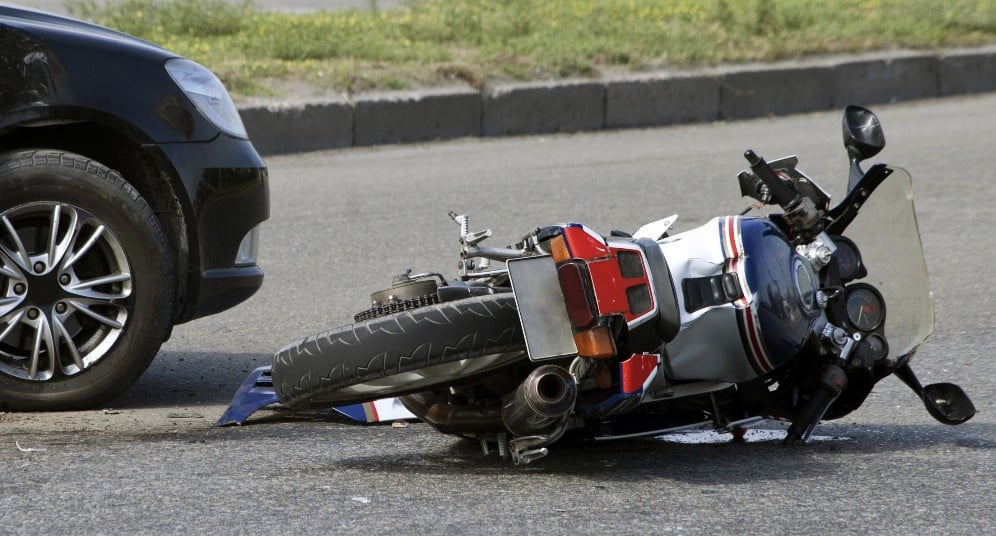
A serious motorcycle accident can leave you facing more than physical recovery. In Texas, injured riders must also contend with insurance adjusters trained to reduce payouts, shift blame, and close claims quickly. Without experienced legal guidance, many victims unknowingly accept settlements that fail to account for long-term medical care, lost earning capacity, and ongoing pain. Texas follows a modified comparative negligence rule, meaning your compensation can be reduced, or barred entirely, if fault is disputed. Having a knowledgeable Texas motorcycle accident lawyer helps ensure your rights are protected from the outset.
At Fielding Law, we represent injured motorcyclists with a clear objective: pursue the full compensation the law allows. Our motorcycle accident attorneys investigate liability, preserve evidence, and manage negotiations with insurers who may attempt to minimize the seriousness of your injuries. If a fair settlement cannot be reached, we are fully prepared to take your case to trial and advocate for every dollar you are entitled to recover. We have successfully guided numerous motorcycle accident victims through the claims process, always prioritizing strategic preparation and client-focused representation.
If you were injured in a motorcycle accident anywhere in Texas, do not delay seeking legal counsel. The sooner an attorney is involved, the better positioned you are to protect critical evidence and strengthen your claim. Contact Fielding Law today at (877) 880-4090 for a free case evaluation. Hablamos Español.
At Fielding Law, our Texas motorcycle accident lawyers represent injured riders in a wide range of crash scenarios across the state. Each type of collision presents unique liability issues, insurance challenges, and injury patterns. Our role is to identify how the crash occurred, determine who is legally responsible, and build a claim designed to recover full compensation under Texas law.
Left-turn collisions are among the most common motorcycle crashes in Texas. These accidents typically occur when a driver turns left at an intersection and fails to yield to an oncoming motorcycle. Because motorcycles are smaller and less visible than passenger vehicles, drivers often misjudge speed or distance, resulting in a direct-impact collision that can cause catastrophic injuries.
A rear-end collision that might be minor between two cars can be devastating for a motorcyclist. These crashes often happen at traffic lights, stop signs, or in congested highway traffic when a driver is distracted or following too closely. The force of impact can eject a rider from the motorcycle, leading to serious orthopedic injuries or head trauma.
Sideswipe accidents frequently occur when drivers fail to check blind spots before merging or changing lanes. A motorcycle traveling lawfully within its lane can be forced off the roadway or into adjacent traffic. These cases often involve disputed liability, requiring careful investigation and, in some instances, accident reconstruction analysis.
Head-on crashes are among the most severe types of motorcycle accidents. They commonly occur on rural highways or two-lane roads when a driver crosses the centerline due to distraction, fatigue, or impairment. The combined speed of both vehicles often results in life-altering injuries or fatalities.
Lane splitting is illegal in Texas, and collisions involving this maneuver can raise complex liability questions. Even in these situations, fault is not automatic. Our motorcycle accident attorneys evaluate the full circumstances of the crash, including driver conduct, traffic conditions, and comparative negligence considerations.
When a driver leaves the scene of a motorcycle crash, victims are left dealing with both physical injuries and legal uncertainty. We assist clients in pursuing compensation through available insurance coverage, including uninsured motorist claims, while working to identify the responsible party whenever possible.
Motorcycle crashes involving multiple vehicles are common on busy Texas highways and at high-traffic intersections. Determining fault in these cases often requires reviewing police reports, witness statements, and roadway evidence to establish how the chain of events unfolded.
Impaired driving remains a serious threat to motorcyclists. Alcohol or drug use reduces reaction time, depth perception, and judgment, factors that are critical when sharing the road with motorcycles. We pursue claims against negligent drivers whose impairment caused preventable harm.
If you were injured in any of these types of motorcycle accidents in Texas, Fielding Law is prepared to evaluate your case and explain your legal options. You won’t pay anything until we win your case!
Texas highways and city streets can present significant risks for motorcyclists, particularly when other drivers fail to exercise reasonable care. While every crash has unique facts, certain patterns appear consistently in motorcycle accident claims throughout the state. At Fielding Law, we analyze these motorcycle accident common causes closely to establish liability and build strong cases for injured riders.
Driver Inattention and Failure to See Motorcycles: Driver inattention contributed to 798 motorcycle accidents in Texas in 2021. Many drivers fail to actively look for motorcycles or misjudge their speed and distance. Because motorcycles present a smaller visual profile, even a brief lapse in attention can result in a serious collision.
Failure to Yield the Right of Way: In 2021, 600 motorcycle crashes in Texas were caused by drivers failing to yield while turning left. These accidents frequently occur at intersections when a driver turns directly into the path of an oncoming motorcycle, leaving the rider little time or space to avoid impact.
Speeding and Unsafe Speed for Conditions: Speeding was a factor in 1,640 motorcycle accidents in Texas in 2021, while an additional 734 crashes involved drivers traveling at an unsafe speed for road or weather conditions. Higher speeds increase both the likelihood of a crash and the severity of injuries, particularly when a motorcyclist lacks the structural protection of a passenger vehicle.
Distracted Driving: Texting, phone use, navigation systems, and other in-vehicle distractions significantly reduce a driver’s awareness. A distracted driver may fail to notice a motorcycle entirely, leading to preventable and often devastating collisions.
Unsafe Lane Changes: Motorcycles are frequently struck when drivers merge or change lanes without properly checking blind spots or signaling. Even a slight sideswipe can force a rider off balance or into adjacent traffic.
Following Too Closely: Tailgating poses a serious danger to motorcyclists. Because motorcycles can decelerate more quickly than passenger vehicles, a driver who follows too closely may not have sufficient time to stop, resulting in a high-impact rear-end collision.
Impaired Driving: Alcohol and drug impairment reduce reaction time, judgment, and depth perception. Impaired drivers are less likely to detect motorcycles in traffic and less capable of responding appropriately to roadway conditions.
Hazardous Weather and Road Conditions: Although rain accounts for only about 2% of motorcycle fatalities, unsafe road conditions can still contribute to crashes when drivers fail to adjust their speed or driving behavior. Potholes, debris, uneven pavement, and poor visibility conditions can be especially dangerous for riders.
If you were injured in a motorcycle accident caused by one of these factors, Fielding Law can evaluate the circumstances of your crash and explain your legal options under Texas law.
Motorcycle crashes frequently result in severe, high-impact injuries due to the limited protection riders have compared to occupants of passenger vehicles. At Fielding Law, our Texas motorcycle accident attorneys have represented clients facing a wide spectrum of injuries, from painful but recoverable conditions to permanent, life-altering trauma. Understanding the medical realities of these injuries is essential to properly valuing a claim.
Traumatic Brain Injuries (TBI): Traumatic brain injuries account for 54% of motorcycle fatalities and remain a serious risk even for helmeted riders. TBIs can require extensive neurological treatment, long-term rehabilitation, and may permanently affect memory, cognitive function, and earning capacity.
Spinal Cord Injuries: Nearly 40% of spinal cord injuries stem from motor vehicle accidents. In motorcycle crashes, spinal trauma can result in partial or complete paralysis, often requiring lifelong medical care, adaptive equipment, and significant lifestyle adjustments.
Road Rash: One of the most common motorcycle injuries occurs when a rider is ejected and slides across pavement. Severe road rash can involve multiple skin layers, sometimes requiring surgical debridement or skin grafts, and may leave permanent scarring or nerve damage.
Broken Bones and Fractures: Lower-extremity injuries are more common in motorcycle crashes than in other vehicle collisions. Leg fractures, hip injuries, and complex orthopedic trauma often require surgery and prolonged physical therapy.
Internal Injuries: The force of impact can cause internal bleeding and organ damage that may not be immediately visible. These injuries are potentially life-threatening and often necessitate emergency intervention.
Burn Injuries: When fuel systems rupture during a crash, riders may suffer severe burns. Treatment can include reconstructive surgery and extended hospitalization.
Soft Tissue Injuries: Ligament tears, muscle strains, and tendon injuries may seem minor at first but can result in chronic pain and limited mobility if not properly treated.
Properly documenting these injuries, and projecting their long-term impact, is critical to securing full compensation under Texas law.
When a motorcycle accident is caused by another party’s negligence, Texas law permits injured riders to pursue compensation for both economic and non-economic losses. At Fielding Law, we calculate damages carefully to ensure no category of loss is overlooked.
Medical Expenses: This includes emergency treatment, hospital stays, surgeries, prescription medications, and ongoing rehabilitation. Future medical costs are also considered, particularly in cases involving spinal cord or brain injuries.
Lost Wages and Reduced Earning Capacity: If your injuries prevent you from working, you may recover income already lost as well as diminished future earning potential.
Pain and Suffering: Motorcycle crashes often result in substantial physical pain and emotional distress. Texas law allows recovery for these non-economic damages, which can be significant in serious injury cases.
Rehabilitation Costs: Physical therapy, occupational therapy, and long-term rehabilitative care are frequently required after major motorcycle injuries.
Property Damage: Compensation may include repair or replacement of your motorcycle, helmet, riding gear, and other damaged property.
Punitive Damages: In cases involving gross negligence, such as crashes caused by drunk drivers, Texas law may allow recovery of punitive damages intended to punish particularly reckless conduct.
In fatal motorcycle accident cases, surviving family members may be eligible to pursue a wrongful death claim for funeral expenses, loss of companionship, and other legally recognized damages.
The actions you take immediately following a crash can significantly affect your ability to recover compensation. Protecting both your health and your legal rights should be your priority.
Seek Medical Attention Immediately: Even if injuries appear minor, prompt medical evaluation is essential. Some conditions, including internal injuries and concussions, may not present symptoms right away. Early documentation strengthens your injury claim.
Contact Law Enforcement: Always request a police response. The official accident report can serve as critical evidence in determining fault.
Document the Scene: If you are physically able, take photographs of the vehicles, roadway conditions, visible injuries, and property damage. Obtain contact information from witnesses and the other driver.
Notify Your Insurance Carrier Carefully: Report the accident, but avoid detailed recorded statements until you have consulted with a Texas motorcycle accident lawyer.
Avoid Accepting Early Settlement Offers: Insurance companies often present quick offers before the full extent of injuries is known. These offers frequently undervalue serious motorcycle injury claims.
Preserve Records: Maintain copies of medical bills, repair estimates, proof of lost wages, and other accident-related documentation.
Limit Social Media Activity: Insurance carriers may monitor online activity and attempt to use posts out of context to dispute injury claims.
Early legal involvement can help preserve evidence and prevent costly mistakes.
A working knowledge of Texas law can influence the outcome of your claim. At Fielding Law, we apply these legal principles strategically when representing injured riders.
Modified Comparative Negligence: Texas follows a modified comparative negligence rule. You may recover compensation if you are 50% or less at fault, but your recovery is reduced by your percentage of responsibility. If you are found more than 50% at fault, recovery is barred.
Helmet Requirements: Riders under 21 must wear DOT-approved helmets. Those 21 and older may ride without a helmet if they meet certain statutory requirements, including completion of a safety course or maintaining qualifying insurance coverage. Helmet use can become a factor in comparative fault arguments.
Statute of Limitations: In most cases, you have two years from the date of the accident to file a personal injury lawsuit in Texas. Delaying legal action can jeopardize your ability to recover damages.
Insurance Minimums: Texas requires drivers to carry minimum liability coverage, but these minimums are often insufficient to cover catastrophic motorcycle injuries.
Lane Splitting Laws: Lane splitting is prohibited in Texas. Violations can affect fault determinations and comparative negligence assessments.
Understanding these laws, and how they apply to your specific case, is essential to protecting your rights after a motorcycle accident.
To recover compensation after a motorcycle accident, you must establish that another party’s negligence caused your injuries. Under Texas law, this requires proving four legal elements: duty, breach, causation, and damages. While that framework sounds straightforward, insurance companies frequently dispute one or more of these elements, especially in motorcycle cases where bias against riders can influence fault determinations.
First, every driver on Texas roads owes a duty of care to operate their vehicle safely and follow traffic laws. When a driver speeds, fails to yield, changes lanes without checking blind spots, or drives while distracted or impaired, that duty is breached. The next step is demonstrating causation, showing that the driver’s unsafe conduct directly led to the crash and your injuries. Finally, you must establish measurable damages, including medical expenses, lost income, and pain and suffering.
Motorcycle accident claims often involve complex liability analysis. Texas follows a modified comparative negligence rule, meaning you can recover compensation if you are 50% or less at fault, but your recovery will be reduced by your percentage of responsibility. Insurance carriers may attempt to argue that the motorcyclist was speeding, weaving through traffic, or otherwise contributed to the crash. A thorough investigation is critical to counter these claims.
At Fielding Law, we build negligence cases through detailed evidence collection and strategic case preparation. This may include reviewing police crash reports, obtaining traffic camera or surveillance footage, interviewing witnesses, preserving vehicle damage evidence, analyzing black box data when available, and consulting accident reconstruction experts. Proper documentation of your medical treatment also plays a central role in proving the full extent of your injuries.
Establishing negligence is not simply about assigning blame, it is about constructing a legally sound claim that can withstand scrutiny from insurance adjusters, defense attorneys, and, if necessary, a Texas jury.
The value of a motorcycle accident claim depends on the severity of the injuries, the clarity of liability, and the long-term impact the crash has on your life. In Texas, injured riders are entitled to pursue compensation for both economic and non-economic damages when another party’s negligence caused the collision. Properly calculating those damages requires more than adding up current bills, it requires projecting future losses and understanding how insurers evaluate claims.
Economic damages typically include measurable financial losses. This encompasses emergency medical treatment, hospitalization, surgery, prescription medications, physical therapy, and any anticipated future medical care. In serious motorcycle injury cases, particularly those involving traumatic brain injuries or spinal cord damage, future treatment costs can be substantial. Lost wages are also recoverable, including both income already missed and diminished future earning capacity if your injuries limit your ability to return to the same line of work.
Non-economic damages address the human cost of the crash. Texas law allows recovery for physical pain, mental anguish, physical impairment, and loss of enjoyment of life. Motorcycle accidents often produce more severe injuries than standard vehicle collisions, which can significantly increase the value of these damages when supported by medical evidence and expert testimony.
In certain cases involving gross negligence, such as collisions caused by intoxicated drivers, punitive damages may also be available under Texas law. These damages are designed to penalize particularly reckless conduct and deter similar behavior.
It is also important to consider insurance policy limits. Texas drivers are required to carry minimum liability coverage, but those limits are frequently insufficient to cover catastrophic motorcycle injuries. In some cases, additional recovery may be available through uninsured or underinsured motorist coverage.
At Fielding Law, we evaluate every component of a motorcycle accident claim to ensure that no category of loss is overlooked. A thorough damages analysis strengthens negotiation leverage and positions your case for maximum compensation, whether through settlement or trial.
A serious motorcycle accident can disrupt every aspect of your life. Medical appointments, mounting bills, missed work, and ongoing pain can create financial and emotional strain at a time when stability matters most. Insurance companies understand this pressure and may attempt to leverage it through early settlement offers that do not reflect the true value of your claim.
Fielding Law represents injured motorcyclists throughout Texas, including clients in Mesquite, Heath, Richardson, and surrounding communities. Our Texas motorcycle accident attorneys handle every stage of the claims process, from investigating liability and negotiating with insurers to preparing cases for trial when necessary. We work on a contingency fee basis, which means you pay no attorney’s fees unless we recover compensation on your behalf.
If you are facing uncertainty after a motorcycle crash, you do not have to navigate the legal system alone. Early legal representation can help preserve critical evidence, protect your rights under Texas law, and position your case for maximum recovery.
Contact Fielding Law today to schedule a free consultation with an experienced Texas motorcycle accident lawyer. We are prepared to stand with you and pursue the compensation you deserve.