Some accidents are straightforward. Others are anything but. When injuries occur and there is no obvious person or company to blame, many people assume they have no case. In reality, unclear fault does not mean no legal options, it means the case requires deeper investigation, strategic analysis, and experienced legal guidance.
What Does It Mean to Have No Clear At-Fault Party?
Why Isn’t Fault Always Obvious?
Not every accident involves a single negligent driver or a clear rule violation. Some incidents happen because of overlapping failures, missing information, or conditions that are not immediately traceable to one party.
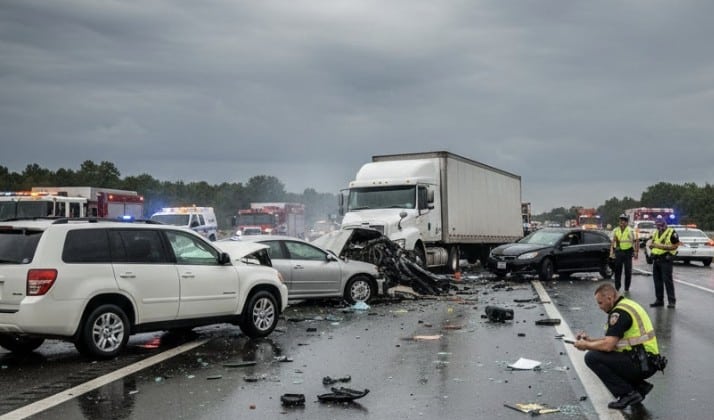
These situations often arise in multi-vehicle crashes, construction accidents, defective product cases, poorly maintained properties, or incidents involving commercial vehicles or contractors.
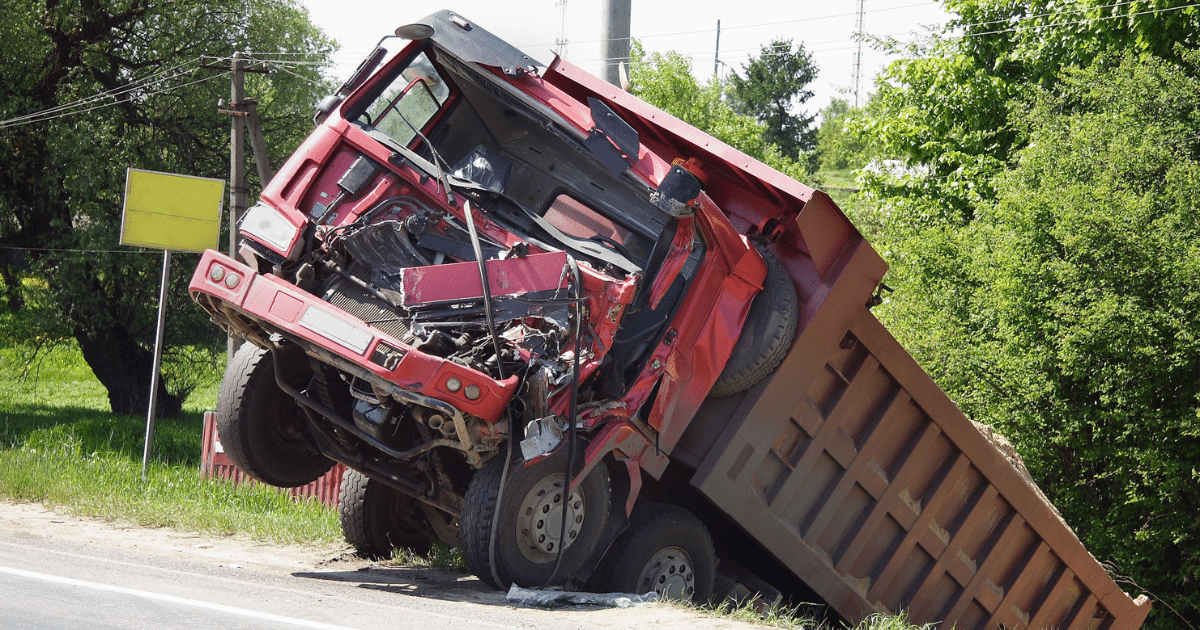
For example, in a brief hypothetical scenario, a driver loses control after hitting road debris on a highway and crashes. It is unclear whether another driver, a construction crew, or a government entity caused the debris to be there in the first place.
Does Unclear Fault Mean You Cannot Recover Compensation?
No. It means liability must be uncovered, not assumed. Many successful personal injury claims begin with uncertainty about who, or what, caused the harm.
This is where legal investigation becomes critical.
How a Personal Injury Lawyer Identifies Potentially Responsible Parties
By conducting a thorough investigation.
What Does an Investigation Actually Involve?
A personal injury lawyer does far more than review a police report. Investigations may include:
Reviewing accident reports and supplemental records
Interviewing witnesses
Analyzing photographs, videos, and surveillance footage
Consulting accident reconstruction experts
Reviewing maintenance, inspection, or employment records
This process often reveals contributing factors that were not initially apparent.
In another short hypothetical example, a slip and fall in a grocery store appears accidental. An investigation later uncovers prior complaints about a leaking freezer and delayed maintenance, shifting liability to the property owner.
Identifying All Possible Defendants
Why More Than One Party May Be Responsible
In complex cases, multiple parties may share responsibility. This could include drivers, employers, manufacturers, property owners, maintenance companies, or government entities.
Identifying all potentially liable parties increases the likelihood of full compensation, especially when one party has limited insurance coverage.
Using the Law to Establish Liability
Applying Negligence Standards
How Is Fault Proven Without a Clear Cause?
Personal injury law relies on negligence principles: duty, breach, causation, and damages. A lawyer’s job is to connect the dots between these elements, even when the connection is not obvious at first glance.
Circumstantial evidence, expert testimony, and pattern analysis often play a key role. Liability does not require certainty at the outset, it requires proof by a preponderance of the evidence.
Leveraging Comparative Fault Rules
What If Responsibility Is Shared?
Texas, like many states, allows recovery even when fault is shared, as long as legal thresholds are met. A lawyer can evaluate how comparative fault rules apply and push back when insurers exaggerate your share of responsibility.
Insurance companies frequently argue uncertainty as a reason to deny or undervalue claims. Legal analysis counters that narrative.
Dealing With Insurance Companies in Unclear-Fault Cases
Why Insurers Resist These Claims
What Tactics Do Insurance Companies Use?
When fault is unclear, insurers often delay investigations, deny responsibility, or shift blame onto the injured person. They may argue that the cause is speculative or that no one can be held accountable.
Without legal pressure, these claims often stall indefinitely.
How Legal Representation Changes the Dynamic
A personal injury lawyer reframes the discussion from uncertainty to evidence. Formal demand letters, discovery requests, and the threat of litigation force insurers to engage seriously with the facts.
In many cases, insurers become far more cooperative once they realize the claim is being actively developed rather than passively presented.
Accessing Compensation Through Alternative Avenues
When Direct Liability Is Hard to Prove
Are There Other Ways to Recover Compensation?
Yes. Even when direct fault is difficult to establish, other coverage may apply. This can include:
Uninsured or underinsured motorist coverage
Employer or commercial liability policies
Premises liability insurance
Product liability claims
A lawyer reviews all potential insurance policies, not just the most obvious one.
In a hypothetical example, a pedestrian injured by a malfunctioning automatic door may initially have no clear at-fault person. Further review reveals a maintenance contractor and a manufacturer, each with applicable coverage.
Protecting Your Claim While the Investigation Is Ongoing
Preserving Evidence and Meeting Deadlines
Unclear-fault cases often take longer to develop, which makes early action even more important. Evidence can disappear, and statutes of limitations continue to run regardless of how complex the case is.
An attorney ensures deadlines are met while the investigation unfolds.
Preventing Costly Statements or Assumptions
In uncertain cases, what you say early on can significantly affect the outcome. Statements suggesting confusion or self-blame may later be used to deny the claim entirely.
Legal counsel manages communication to protect your position while facts are still emerging.
Why These Cases Require Experience, Not Assumptions
Cases without a clear at-fault party are often the ones that insurers hope injured people will abandon. They require persistence, resources, and legal insight to uncover responsibility and hold the right parties accountable.
At Fielding Law, we do not assume a case lacks merit simply because fault is not obvious. We investigate, analyze, and pursue answers where others stop.
When You Should Speak With a Lawyer
If you were injured and told that “no one is at fault,” or if insurers are pointing fingers without taking responsibility, that is the time to seek legal guidance, not later.
Uncertainty at the beginning of a case is common. Uncertainty at the end is not acceptable.
Let Fielding Law Help You Find the Answers
Not knowing who caused your accident does not mean you should bear the financial burden alone. It means the right legal approach is needed to uncover the truth.
Fielding Law Auto Accident Attorneys represent injury victims across Texas in complex cases where liability is unclear, disputed, or deliberately obscured. We focus on finding responsible parties, identifying coverage, and protecting your right to compensation.
Contact Fielding Law today for a free consultation. If fault is unclear, let us help you find the answers, and the recovery, you deserve.
Sources
https://www.nolo.com/legal-encyclopedia/how-prove-negligence-personal-injury-case.html
https://www.tdi.texas.gov/consumer/auto-claims.html
https://www.iii.org/article/what-is-liability-insurance