What type of injury have you suffered?
Car Accident
- Car Accident
- Head Injury
- Premises Liability
- Products Liability
- Truck Accident
- Wrongful Death

Car Accident

HABLAMOS ESPAÑOL
(877) 880-4090Posted January 12, 2026 | Personal Injury Blog
Losing a loved one in a sudden accident is devastating, and the legal questions that follow often feel overwhelming and intrusive during a time of grief. While no lawsuit can undo the loss, a wrongful death claim can provide financial stability, accountability, and a measure of justice when a death was caused by someone else’s negligence or misconduct.
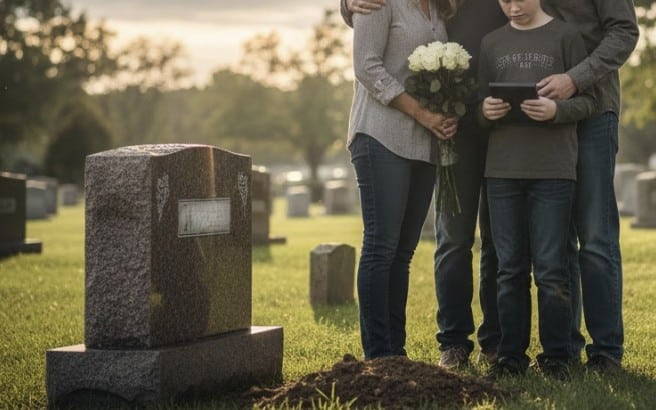
A wrongful death occurs when a person dies as a result of another party’s negligent, reckless, or intentional actions. In Texas and Utah, wrongful death claims are civil cases, separate from any criminal proceedings, and they focus on compensating surviving family members for their losses.
These claims commonly arise from car accidents, truck accidents, workplace incidents, medical malpractice, defective products, and unsafe premises.
The law limits who may bring a wrongful death claim. Typically, this includes close family members such as a surviving spouse, children, and in some cases, parents. The specific rules vary by state and must be followed carefully.
If no eligible family member files within a certain time frame, the personal representative of the estate may be permitted to pursue the claim on behalf of the estate.
If the death resulted from a preventable accident, such as a drunk driving crash, a distracted driver, unsafe working conditions, or a medical error, it may qualify as wrongful death.
Negligence does not require intent. It simply means someone failed to act with reasonable care under the circumstances, and that failure caused the fatal injury.
In a brief hypothetical example, imagine a driver runs a red light and strikes another vehicle, killing the other driver. Even if the at-fault driver never intended harm, their negligence may give rise to a wrongful death claim.
Wrongful death claims often arise when the deceased provided financial support, benefits, or services to surviving family members. Loss of income, health insurance, retirement benefits, and household contributions can create long-term financial strain.
Even when the deceased was not the primary wage earner, their contributions, such as childcare, caregiving, or home maintenance, may still be legally recognized as compensable losses.
Insurance companies sometimes approach grieving families quickly with settlement offers, framing them as “help” during a difficult time. These offers are often far lower than the claim’s true value and may require signing away legal rights permanently.
If an insurer is pressuring you to settle before you understand your options, that is often a sign that legal guidance is needed.
Economic damages address the measurable financial losses caused by the death. These may include:
Lost earning capacity and income
Loss of benefits such as health insurance or retirement contributions
Medical expenses related to the fatal injury
Funeral and burial costs
These damages are typically supported by financial records, employment history, and expert analysis.
Non-economic damages address the personal and emotional impact of the loss. These may include:
Loss of companionship and consortium
Loss of guidance and parental support
Mental anguish and emotional suffering
While these losses are not tied to receipts or invoices, they are often the most profound consequences of a wrongful death.
In both Texas and Utah, wrongful death claims generally must be filed within two years from the date of death. Missing this deadline usually results in losing the right to pursue compensation entirely.
Certain exceptions may apply, but they are limited and fact-specific. Relying on an exception without legal advice is risky.
Delays can lead to lost evidence, unavailable witnesses, and weakened claims. Insurance companies are aware of these risks and may benefit from inaction.
Early legal involvement helps preserve evidence, investigate liability, and ensure deadlines are met while allowing families space to grieve.
A wrongful death lawsuit is not about punishment or incarceration. Even if criminal charges are filed, or never filed, a civil wrongful death claim can still proceed.
The burden of proof is also lower in civil cases. This means a family may succeed in a wrongful death claim even when criminal charges are not pursued or do not result in a conviction.
Wrongful death cases are legally and emotionally complex. They often involve multiple parties, high insurance limits, expert testimony, and aggressive defense strategies.
At Fielding Law, we handle wrongful death cases with the seriousness and respect they deserve. We manage the legal burden so families can focus on healing, while we focus on accountability and financial protection.
Considering a wrongful death claim does not mean rushing into litigation. It means understanding your rights, your options, and what your family may need in the years ahead.
Fielding Law Auto Accident Attorneys represent families across Texas and Utah who have lost loved ones due to preventable accidents. We approach these cases with compassion, clarity, and resolve.
Contact Fielding Law today for a free, confidential consultation. Let us help you understand whether a wrongful death claim is appropriate and how we can protect your family’s future.
https://statutes.capitol.texas.gov/Docs/CP/htm/CP.71.htm
https://le.utah.gov/xcode/Title78B/Chapter3/78B-3.html
https://www.nolo.com/legal-encyclopedia/wrongful-death-lawsuits-basics.html

Text edited by Mitchell Fielding, a personal injury lawyer and partner at Fielding Law. Mitchell is known for his hard work ethic, friendly personality and dedication to the law. You can find out personal injury law offices in Taylorsville, UT and Mesquite, TX.