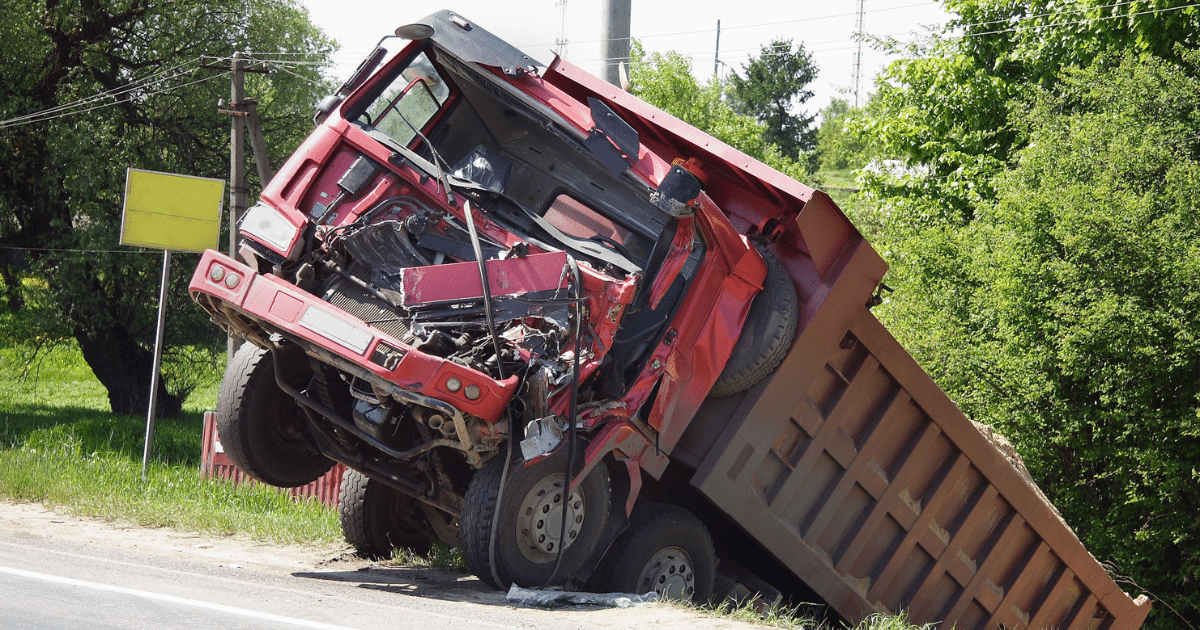
Texas is a “diminished value” state. This means that after a motor vehicle accident, parties involved might qualify to recover the diminished value of the vehicle from the insurance company. In other words, policyholders can seek retribution for the difference in the value the vehicle has as a wrecked and repaired car vs. its value prior to the collision. Find out if you qualify for a diminished value claim and how to file one with your insurance company after a Texas auto accident.
What Does Diminished Value Mean?
Under Texas law, “diminished value” is the difference between the vehicle’s fair market value before the accident and the value after the accident if, after complete repair, the market value is less. In most cases, a vehicle’s value will decrease after involvement in a motor accident. This is because most buyers do not want to purchase a vehicle that’s been in a crash, even if it’s repaired to its pre-crash state. Diminished value claims aim to recover the lost market value of the vehicle for the not-at-fault driver, who did not cause the diminished value.
Texas Insurance Code Article 5.06 helps to answer the question of whether a vehicle insurer must pay the claimant for the diminished value of an automobile after the claimant repairs the vehicle to its pre-damage condition. According to the law, claimants may seek recovery for diminished vehicle value as long as they have proof of the new, lower resale value. However, insurance companies have the right to set their liability levels based on the contractual agreement with the policyholder.
Article 5.06 states that an automobile insurer’s contractual liability is the lesser of three options: the actual cash value of the damaged vehicle, the amount necessary to fully repair or replace the vehicle, or the amount the declarations of the policy state. Paying the actual cash value of the vehicle will only apply if a repair shop deems the vehicle “totaled,” or beyond repair. A vehicle is beyond repair if it will cost more to repair it than the vehicle is worth. The Texas Department of Insurance does not make it mandatory for insurance companies to offer compensation for diminished value.
Do You Qualify for a Diminished Value Claim?
Accident victims may still be able to recover diminished value compensation even though Texas laws don’t make it a requirement for insurance companies. To recover the diminished value of your vehicle, you must file your claim within two years from the date of the accident. You must also not be the at-fault driver in the accident. You will not qualify for diminished value compensation if something other than a collision caused your damages, such as a hailstorm. Diminished value claims can take one of three forms:
-
Repair-related
- Diminished value might relate to repairs if no auto shop can perfectly repair the vehicle.
-
Immediate diminished value
- The loss of vehicle value from the insurance company’s direct involvement in claim adjustment. In other words, if the insurance company controls auto repairs that result in an incomplete or insufficient fix.
-
Inherent diminished value
- The most common grounds for diminished value claims. Even after the best possible repairs, the crash has still negatively impacted the vehicle’s resale value.
The at-fault driver’s insurance company may owe you compensation for the diminished value of your vehicle in Texas if you weren’t at fault for your accident. Hire a third party to conduct the assessment for you instead of letting the insurance company determine the pre-crash and post-crash values of your vehicle. That way your results will not have biases from the insurer trying to save money. A car accident lawyer in Dallas can help you negotiate with insurance companies in pursuit of diminished value of a vehicle in Texas.