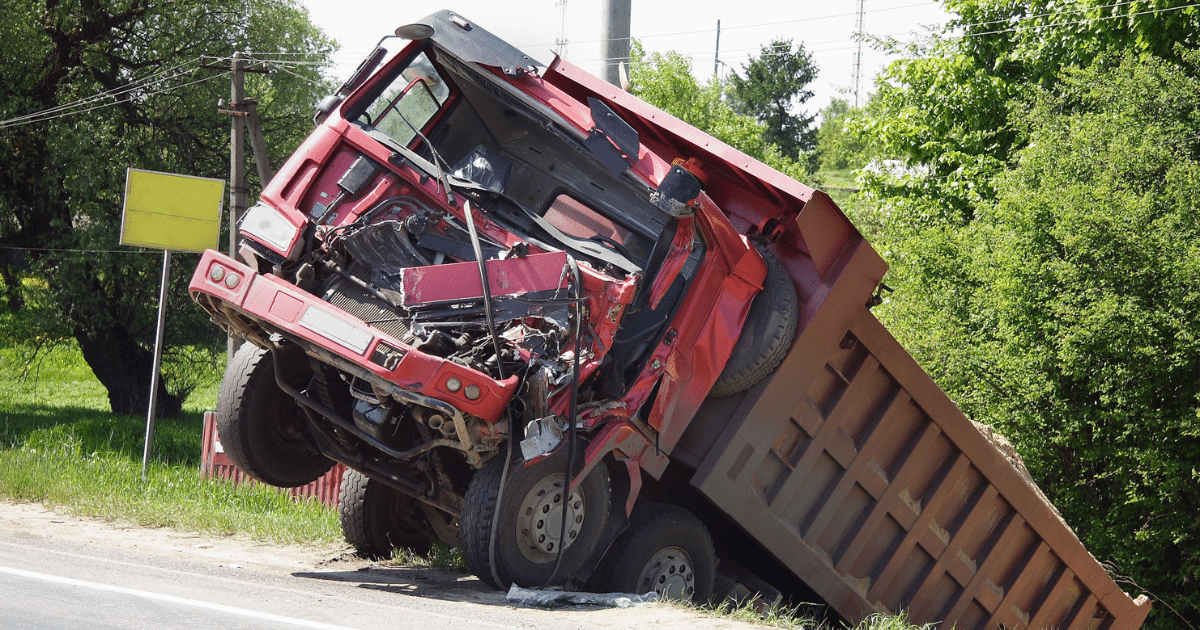
Regardless of how many hours you’ve logged behind the wheel, driving near a semi-truck is stressful. Drivers have good reason to feel anxious when they are near semis; every year, over 250,000 accidents happen between semis and traditional passenger vehicles. In four out of five of these truck accidents, the driver dies. However, 70% of these accidents are the fault of the car driver, which means some simple tips for sharing the highways with semi trucks could save your life.
Why Driving Near Semis Takes Different Skills
Semi-trucks are wider than a standard-sized passenger car. The standard highway lane leaves a small amount of space for a car to drift from one side of the lane to the other. A semi-truck has a very small margin of error. Even the slightest drift to one side of the lane can cause an approaching car to overcompensate and crash. Sharing the road between cars and trucks requires everyone to be hyper-aware of their surroundings.
Considerations for Drivers Approaching Semis
All vehicles have blind spots on both sides. On a long semi-truck, the blind spots are significantly larger than that of a passenger car. Avoid hanging out in the blind spot for too long when traveling. The blind spots on a semi are:
- Directly in front of the truck
- Directly behind the truck
- Right behind the driver on both sides of the truck
Truck drivers may lose sight of vehicles driving alongside their blind spot for miles, causing a huge problem when it comes time to change lanes. Trucks also need more space to maneuver and more time to stop. Road conditions like weather and construction can call for a quick lane change or exit from the roadway.
The more weight a vehicle is carrying, the more distance it needs to come to a stop. When traveling 65 miles per hour, a passenger car can come to a complete stop in 316 feet. A full-size semi truck will take 525 feet to come to a complete stop at the same speed. When passing a truck, drivers need to remember that it takes longer to pass a truck than the average vehicle on the road. Only pass semi-trucks on the right side, allowing for better driver visibility. Drivers should also plan not to cut directly in front of a truck after passing.
Use These Tips to Stay Safe
When driving around semi-trucks, factor in size, speed, turning ability and blind spots. Safe driving can save lives, making the road a better place for everyone This list of safety tips will ensure a safe driving experience for everyone on the road:
- Maintain a steady speed. Be sure both headlights of the truck are visible in the rearview mirror before pulling back over into the same lane.
- Always pass a truck on the left. The right side has a larger blind spot, making it harder for the truck driver to see approaching cars.
- Never pass a truck that is preparing to back up. It may take a few extra minutes to pause and wait, but it could save a life.
- Trucks need to make wide right turns to avoid crashing. Never cut to the right when a truck is turning.
- Do not tailgate a truck. This is a huge blind spot and can lead to a serious or deadly car accident.
- If a truck needs to pass, slow down and give the truck more room to complete the pass safely.
- Slow down in inclement weather. Slippery conditions cause accidents to happen when cars slide in the path of an oncoming truck, or even underneath a tractor trailer.
Duty of Care for Texas Drivers
Whenever drivers take to the road, they assume a certain level of risk. All drivers, especially truck drivers, have a duty of care to operate their vehicles safely and protect others on Texas roadways. If you’ve been injured in a trucking accident in Texas, it’s important to discuss your case with an experienced truck accident attorney to understand your rights and options.