Every day, we use a variety of manufactured products. It could be a kitchen appliance, a vehicle, or even medication. We trust that these products have been tested and have been found safe for use as intended.
But what happens if something goes wrong? When a product is found to be dangerous or defective, it may be recalled to protect the public. While some recalls are minor, others involve safety risks that can lead to injury or even death.
Have you or a loved one been injured by a defective product? If so, you may be left wondering, “What are my legal rights?” This article will walk you through the product recall process and help you understand what steps to take if a defective product has injured you or a family member.
What Is a Product Recall?
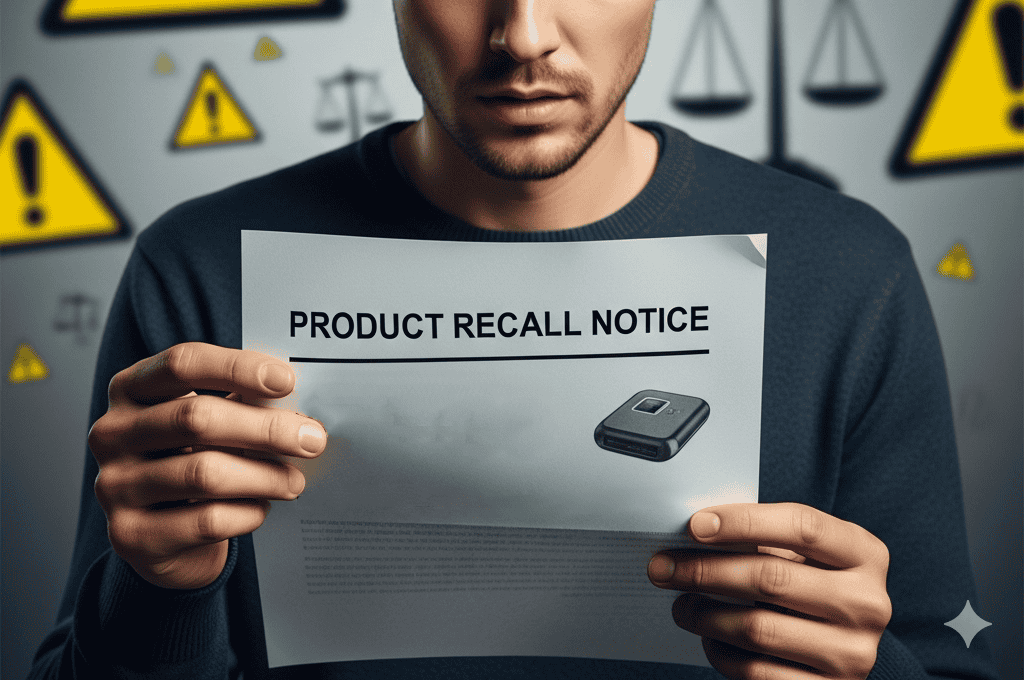
A product recall is an action taken to remove a defective or potentially dangerous product from the market. Recalls can be initiated voluntarily by manufacturers or mandated by a government agency. The goal of a recall is to protect the public from products that could cause harm.
There are three main types of product recalls:
- Voluntary recalls by manufacturers
- Government-requested recalls
- Mandatory recalls issued by government agencies
Who Issues Product Recalls?
Several agencies are responsible for monitoring product safety and overseeing recalls, depending on the type of product involved:
- Consumer Product Safety Commission (CPSC): Oversees household products, toys, electronics, power tools, and more.
- Food and Drug Administration (FDA): Handles recalls of food, medications, cosmetics, medical devices, and dietary supplements.
- National Highway Traffic Safety Administration (NHTSA): Regulates vehicle and automotive part recalls.
- U.S. Department of Agriculture (USDA): Manages food safety for meat, poultry, and egg products.
- Environmental Protection Agency (EPA): Governs pesticides and chemical product recalls.
These agencies monitor safety complaints, conduct investigations, and can work with companies to initiate or enforce recalls.
How a Product Recall Works
The following are the typical steps involved in the product recall process.
Identification of a defect or hazard
A recall process usually begins when:
- A company discovers a defect through internal testing
- Consumers file complaints or report injuries
- Regulatory agencies conduct investigations
- Third-party labs or consumer advocacy groups identify safety concerns
Voluntary or mandatory recall issued
If a company discovers a problem, it may voluntarily recall the product and report it to the appropriate agency. If a company refuses to recall a known dangerous product, the agency can issue a mandatory recall order.
Public notification
Once a recall is official, agencies and companies may issue:
- Press releases
- Recall notices on official websites
- Instructions on what to do with the product
- Details on how to get a refund, replacement, or repair
Remedies offered to consumers
Companies may provide one or more of the following remedies:
- Full refund
- Free repair or replacement
- Safe disposal instructions
Post-recall monitoring
Agencies monitor how effectively the recall is carried out and may impose penalties or sanctions if a company fails to comply with regulations.
How to Check Whether a Product You Own Has Been Recalled
Hundreds of food, drug, vehicle and consumer product recalls are issued every year, and many affect products sold in Texas. Check these official sources regularly:
- Food and drugs: FDA recalls, market withdrawals and safety alerts (fda.gov)
- Meat, poultry and egg products: USDA Food Safety and Inspection Service (fsis.usda.gov)
- Vehicles, tires and car seats: NHTSA recall lookup by VIN (nhtsa.gov/recalls)
- Household and children’s products: Consumer Product Safety Commission (cpsc.gov)
Registering products and signing up for manufacturer alerts helps you hear about a recall quickly. If a recalled product has already caused an injury, keep the product, its packaging and your receipt. They may be key evidence in a claim.
Common Injuries Linked to Recall Products
Recalled products can pose serious injuries that result in various types of injuries, including:
- Burns and fires: Caused by faulty batteries, heaters, or kitchen appliances.
- Choking or suffocation: Often linked to children’s toys or baby products with small, detachable parts.
- Head trauma and broken bones: Resulting from furniture tip-overs or defective playground equipment.
- Lacerations and amputations: Sharp edges or mechanical failures in tools and equipment.
- Internal injuries or illness: From contaminated food, mislabeled drugs, or faulty medical devices.
- Auto accidents: Caused by brake failure, airbag defects, or faulty steering systems.
Understanding Your Rights After Being Injured By a Recalled Product
When a product is recalled, you may be entitled to more than just a refund or replacement. Here is what you should know about the legal rights you have.
Right to be informed
Manufacturers and retailers are legally required to notify consumers of known hazards and recalls. Notices are typically sent via mail, email, or posted online.
Right to a remedy
Manufacturers must clearly state what remedy is available and how to obtain it. Depending on the recall, you may be eligible for:
- A full or partial refund
- A free repair
- A replacement product
Right to file a product liability claim
If you have been injured or suffered financial loss due to a defective product, you may be able to file a product liability lawsuit. You could be entitled to compensation for:
- Medical expenses
- Lost wages
- Pain and suffering
- Permanent disability
- Wrongful death (in fatal cases)
When to Contact a Personal Injury Attorney
Not every recalled product results in an injury. However, when they do, the consequences can be severe. If you have suffered due to a dangerous or defective product, the manufacturer, retailer, or distributor may be held legally responsible.
You should speak to a product liability lawyer if:
- You were physically injured by a defective or recalled product
- You are unsure how to file a claim or are being ignored by the manufacturer
- The product caused a fire, property damage, or financial loss
- The company has offered you a settlement, but you’re unsure whether it’s fair
- Your loved one died due to a dangerous product
A personal injury lawyer can investigate your accident, gather evidence, identify all liable parties, and help you file a product liability claim.
Questions About an Injury From a Recalled Product? Contact Us Today
Product recalls are designed to protect consumers, but they don’t always come in time to prevent injury or loss. If you or a loved one has been harmed by a defective product, you have legal options.
You may be entitled to compensation for your losses. Our skilled product liability attorneys can help you secure maximum compensation for your injuries. We take all personal injury cases on contingency. This means you pay nothing unless we win your case.
At Fielding Law, we have extensive experience in product liability and personal injury claims. Contact us today for a free consultation, and let us help you hold negligent parties accountable.