Driving while intoxicated is not only about alcohol. A driver who takes a prescription or over-the-counter medication that slows their reactions or makes them drowsy can be just as dangerous, and in Texas they can be charged with DWI. Many people assume a drug is safe to take before driving because a doctor prescribed it, but the warning labels on many common medications say otherwise.
Texas DWI Law Covers Medications
Under Texas Penal Code § 49.01, a person is “intoxicated” if they do not have the normal use of their mental or physical faculties because of alcohol, a controlled substance, a drug, a dangerous drug or any other substance, or if their blood alcohol concentration is 0.08 or higher. Unlike alcohol, there is no set legal limit for most medications. The question is whether the drug impaired the driver. A valid prescription is not a defense if the driver was impaired.
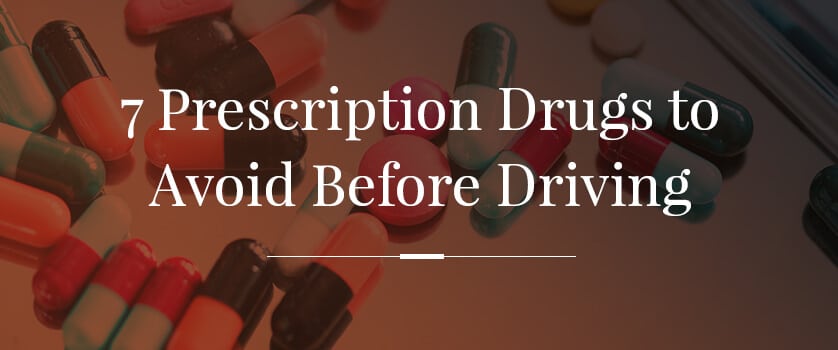
Medications Most Likely to Impair Driving
Opioid pain relievers
Prescription painkillers such as oxycodone, hydrocodone and morphine commonly cause drowsiness, slowed reaction time and impaired judgment, especially when a patient first starts taking them or takes them with alcohol.
Anti-anxiety medications and sleep aids
Benzodiazepines such as alprazolam (Xanax), diazepam (Valium), lorazepam (Ativan) and clonazepam (Klonopin) can cause sedation and poor coordination that lasts for hours. Prescription sleep aids can leave drivers impaired the next morning.
Antihistamines
Many allergy, cold and flu medicines, including over-the-counter products, cause drowsiness. Labels that warn against “operating heavy machinery” apply to driving a car. Drowsy driving is a major cause of crashes. Read more about drowsy driving accidents.
Antidepressants and antipsychotics
Some of these medications cause sedation, blurred vision or dizziness, particularly when the dose changes.
Muscle relaxants and seizure medications
Drugs such as cyclobenzaprine and some anticonvulsants can cause significant drowsiness and dizziness.
Can you drive on blood pressure medication?
Usually, yes. Most people drive safely on blood pressure medication once their dose is stable. But some blood pressure drugs, especially when you first start them or your dose changes, can cause dizziness, lightheadedness or fatigue. Avoid driving if you feel faint or unusually tired, and ask your doctor or pharmacist whether your specific medication affects driving.
Stimulants
Prescription stimulants and decongestants can cause overconfidence and risk-taking, and drivers may become suddenly fatigued when the effects wear off.
How to Stay Safe
- Read every label and pharmacy insert, and ask your pharmacist whether a medication affects driving.
- Do not drive the first time you take a new medication or a new dose until you know how it affects you.
- Never combine medications with alcohol.
- Tell your doctor about every prescription, over-the-counter drug and supplement you take, since combinations can multiply side effects.
Injured by a Driver Impaired by Medication?
A driver who causes a crash while impaired by medication can be held liable for your injuries just like a drunk driver. Evidence such as the police report, field sobriety test results, blood tests and pharmacy records can help prove impairment. In some cases, a pharmacy that filled a prescription in error or failed to warn about dangerous drug interactions may also share responsibility.
Our impaired driving accident lawyers know how to investigate these crashes and pursue full compensation for medical bills, lost income and pain and suffering. Read what to do if you are injured by an impaired driver.
Fielding Law offers free consultations from our offices in Mesquite, Heath and Richardson. Call (877) 880-4090 or contact us online to talk with a personal injury lawyer about your case.