
Español

FIELDING LAW AUTO ACCIDENT ATTORNEYS

Car accidents can be overwhelming, especially in the moments immediately following a collision. Knowing when to call the police after a fender bender in Texas is important for protecting your safety, your rights, and your ability to file an insurance claim. While not every minor accident requires an emergency response, there are situations where contacting law enforcement is essential. Do You Always Have to Call the Police in Texas? In Texas, you are required to report a car accident if it involves: Injury or death, or Property damage of $1,000 or more If law enforcement does not respond to the scene, you may need to file a Driver’s Crash Report (CR-2). Even in minor accidents, calling the police can help create an official record, which may be valuable when dealing with insurance companies. Situations When You Should Call the Police Immediately 1. Someone Is Injured Your top priority after any accident is safety. If anyone is injured—even if injuries seem minor—call 911 immediately. Some injuries, such as whiplash or internal trauma, may not be obvious right away. A police report and medical response can help protect your health and your legal claim. 2. Significant Vehicle or Property Damage After confirming everyone is safe, assess the damage. If the accident involves noticeable vehicle damage or appears to exceed $1,000, Texas law requires reporting. Even if you are unsure of the exact cost, it’s better to err on the side of caution and contact law enforcement. 3. The Other Driver Is Uncooperative or Aggressive After an accident, you should exchange: Names and contact information Vehicle details Insurance information If the other driver refuses to cooperate, becomes aggressive, or attempts to leave the scene, call the police immediately. You should also contact authorities if the driver appears: Intoxicated Distracted Reckless Best Practices When Calling the Police If you decide to call the police after a fender bender in Texas, stay calm and provide clear information: Your exact location Whether there are injuries A brief description of the accident When officers arrive: Stick to the facts Do not admit fault Answer questions honestly and clearly The officer will prepare an official accident report, which can be critical for insurance claims and potential legal action. What to Do While Waiting for the Police While waiting for law enforcement: Take photos of all vehicle damage and the accident scene Gather witness contact information Exchange information with the other driver Also, be sure to obtain: The officer’s name and badge number The accident report number This information will help you access the report later. Should You Report Minor Accidents? Even if the accident seems minor, reporting it can still be beneficial. A police report provides an objective record of the incident, which can help establish fault if a dispute arises later. Some injuries may not appear until hours or days after the accident. Having documentation in place can support your claim if medical treatment becomes necessary. Final Thoughts While not every fender bender in Texas requires an immediate call to the police, certain situations make it essential. When in doubt, reporting the accident can protect both your health and your legal rights. Taking the right steps after an accident ensures you are prepared for any insurance claim or legal process that may follow.

You shouldn’t have to navigate the aftermath of an accident alone. Our attorneys handle the legal fight so you can focus on your recovery. Reach out today and let us take it from here.

Car accidents can be overwhelming, especially in the moments immediately following a collision. Knowing when to call the police after a fender bender in Texas is important for protecting your safety, your rights, and your ability to file an insurance claim.

While not every minor accident requires an emergency response, there are situations where contacting law enforcement is essential.

Do You Always Have to Call the Police in Texas?

In Texas, you are required to report a car accident if it involves:

  • Injury or death, or
  • Property damage of $1,000 or more

If law enforcement does not respond to the scene, you may need to file a Driver’s Crash Report (CR-2).

Even in minor accidents, calling the police can help create an official record, which may be valuable when dealing with insurance companies.

Situations When You Should Call the Police Immediately

1. Someone Is Injured

Your top priority after any accident is safety. If anyone is injured, even if injuries seem minor, call 911 immediately.

Some injuries, such as whiplash or internal trauma, may not be obvious right away. A police report and medical response can help protect your health and your legal claim.

2. Significant Vehicle or Property Damage

After confirming everyone is safe, assess the damage. If the accident involves noticeable vehicle damage or appears to exceed $1,000, Texas law requires reporting.

Even if you are unsure of the exact cost, it’s better to err on the side of caution and contact law enforcement.

3. The Other Driver Is Uncooperative or Aggressive

After an accident, you should exchange:

  • Names and contact information
  • Vehicle details
  • Insurance information

If the other driver refuses to cooperate, becomes aggressive, or attempts to leave the scene, call the police immediately.

You should also contact authorities if the driver appears:

  • Intoxicated
  • Distracted
  • Reckless

Best Practices When Calling the Police

If you decide to call the police after a fender bender in Texas, stay calm and provide clear information:

  • Your exact location
  • Whether there are injuries
  • A brief description of the accident

When officers arrive:

  • Stick to the facts
  • Do not admit fault
  • Answer questions honestly and clearly

The officer will prepare an official accident report, which can be critical for insurance claims and potential legal action.

What to Do While Waiting for the Police

While waiting for law enforcement:

  • Take photos of all vehicle damage and the accident scene
  • Gather witness contact information
  • Exchange information with the other driver

Also, be sure to obtain:

  • The officer’s name and badge number
  • The accident report number

This information will help you access the report later.

Should You Report Minor Accidents?

Even if the accident seems minor, reporting it can still be beneficial. A police report provides an objective record of the incident, which can help establish fault if a dispute arises later.

Some injuries may not appear until hours or days after the accident. Having documentation in place can support your claim if medical treatment becomes necessary.

Final Thoughts

While not every fender bender in Texas requires an immediate call to the police, certain situations make it essential. When in doubt, reporting the accident can protect both your health and your legal rights.

Taking the right steps after an accident ensures you are prepared for any insurance claim or legal process that may follow.
Contact Fielding Law today for a consultation and get the support you need after an accident.

Share the Post:

Related Posts

10 Reasons to Get a Lawyer After a Car Accident in Dallas

You can find even more than 10 reasons to get a lawyer after a car accident in Dallas. But the biggest reason is that insurance companies start building their case immediately, often while you are still recovering. Dallas drivers face heavy traffic on roads like I-635, US-75, and busy downtown interchanges. After a crash, the… read more

Read More
How Much Does It Cost to Hire a Truck Accident Lawyer?

How Much Does It Cost to Hire a Truck Accident Lawyer?

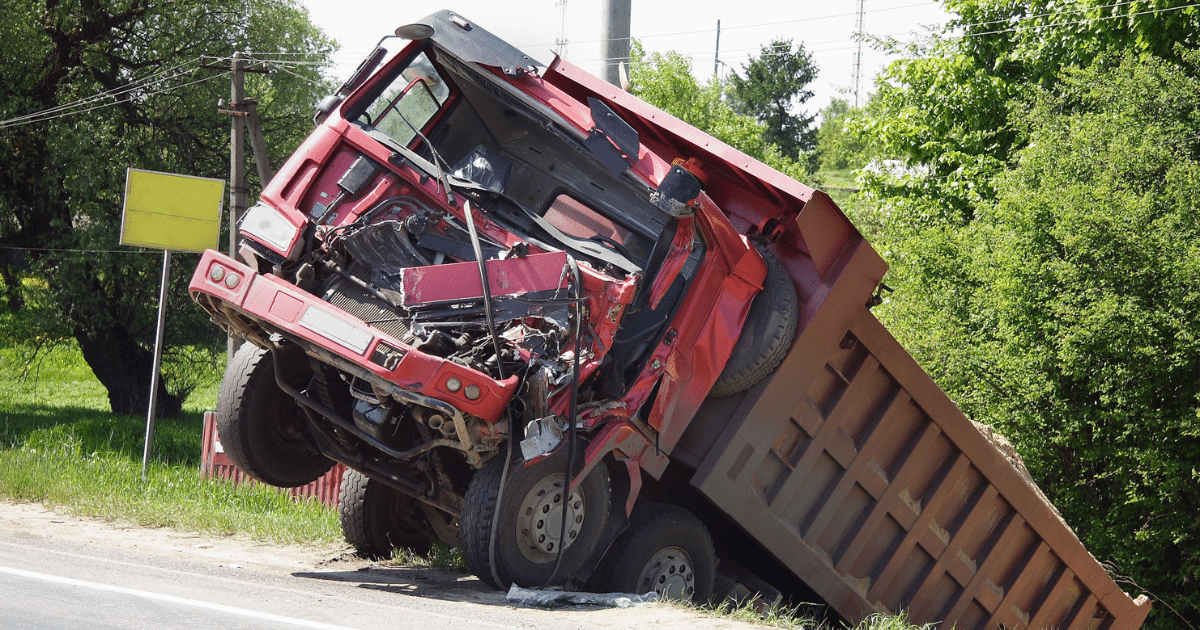
How much does it cost to hire a truck accident lawyer? That question is just as important as choosing the right attorney, especially when medical expenses, lost wages, and a complex claim are already weighing on you. Texas continues to rank first nationwide in truck accident fatalities. Preliminary FMCSA data figures for 2025 show the state… read more

Read More
How Federal Regulations Impact Truck Accident Lawsuits in Texas?

How Federal Regulations Impact Truck Accident Lawsuits in Texas?

Key Takeaways Federal FMCSA regulations set the baseline safety standards for commercial trucking; violations can establish negligence per se in Texas courts. Texas leads the nation in truck fatalities: 18,834 large truck crashes in 2024, with Dallas County recording 3,857 alone. ELD data and Hours of Service records are only kept for 6 months; a formal… read more

Read More